
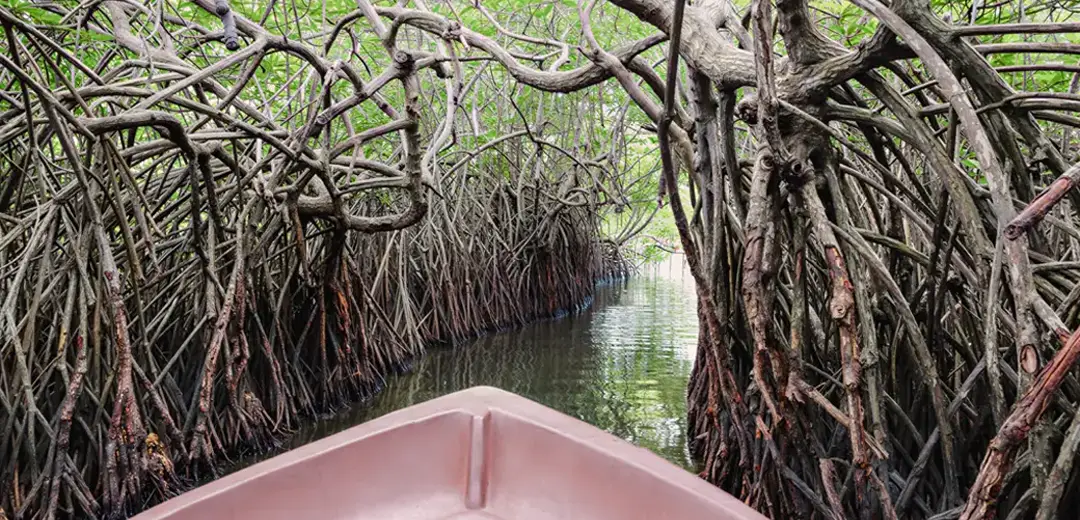
Sri Lanka's Madu Ganga (Madu River) is a lush mangrove river near Balapitiya, flowing into the Indian Ocean through a 915 hectare wetland with over 60 small islands. Designated a protected Ramsar site in 2003, its winding mangrove tunnels and tranquil waters make it one of the country's top eco tourism attractions, where visitors glide beneath mangrove canopies, spot water monitors, kingfishers, and monkeys, and discover islands and spice farms.
What and Where is Madu Ganga?
The Madu Ganga, also known as the Madu River, rises near Uragasmanhandiya and widens into Madu Ganga Lake near Balapitiya before flowing about 4.4 km into the sea. Located 88 km south of Colombo and 35 km north of Galle, its estuary and the connected Randombe Lake form a network of brackish lagoons and islets that support hundreds of plant and animal species.
Beyond its ecological importance, Madu Ganga is also a living cultural landscape. Its small islands are home to centuries old temples, most notably the Kothduwa Raja Maha Viharaya, while local communities have traditionally harvested cinnamon and spices along its shores.
Getting to Madu Ganga
The easiest way to reach Madu Ganga is through the coastal town of Balapitiya, which is accessible by car, bus, or train from Colombo and Galle. From the town centre, local tuk tuk drivers and taxis can take you to the boat jetty. Many visitors also stay in nearby Bentota or Ahungalla and visit Madu Ganga as a day trip. For the best experience, plan to arrive by mid morning when the light is clearer and wildlife activity is at its peak.
Madu Ganga Boat Safari Experience
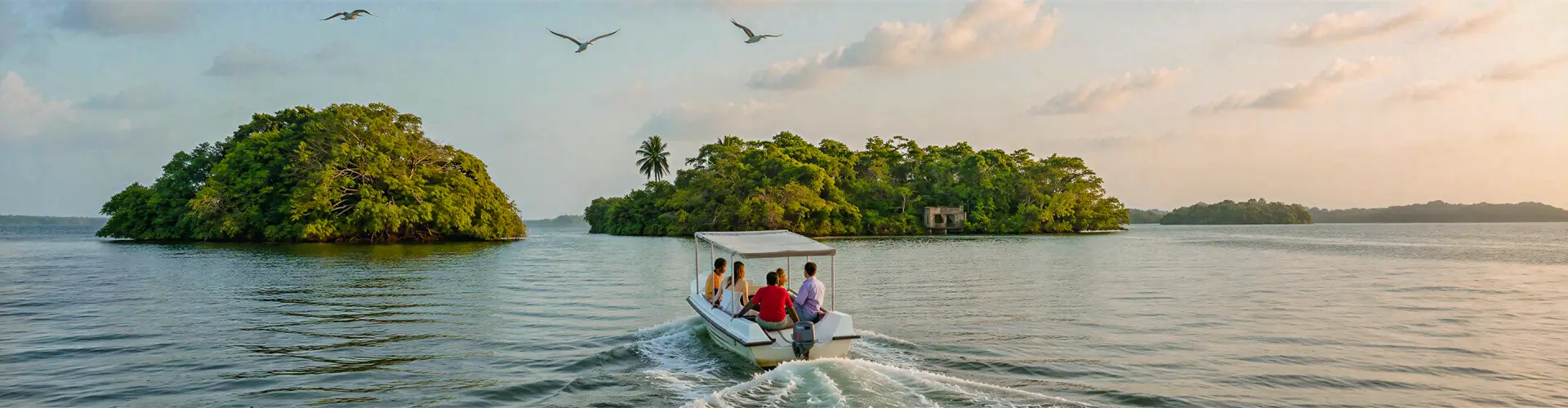
Visitors explore Madu Ganga aboard traditional flat bottom boats. Guided tours usually last between 1½ and 3 hours, gently cruising through winding waterways with stops at islands and notable attractions along the route. Expect a peaceful and scenic journey through dense mangrove forests and open lagoons, while experienced local guides point out wildlife and share insights about the river's ecology and cultural heritage.
Destinations Along the Route
The safari route winds through a series of distinct spots, each with its own character. Below are the key destinations you'll pass through or stop at during your Madu Ganga boat safari.
Mangrove Tunnels
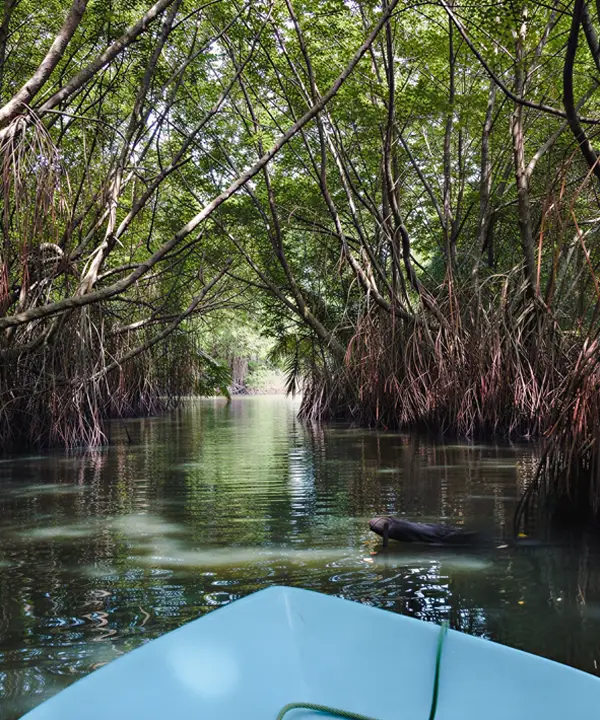
The boat glides through narrow, canopied waterways formed by dense mangrove roots and overhanging branches, creating a green tunnel effect. Known as Kadolana in Sinhala, these are home to 14 of Sri Lanka's 24 mangrove species.
Learn More →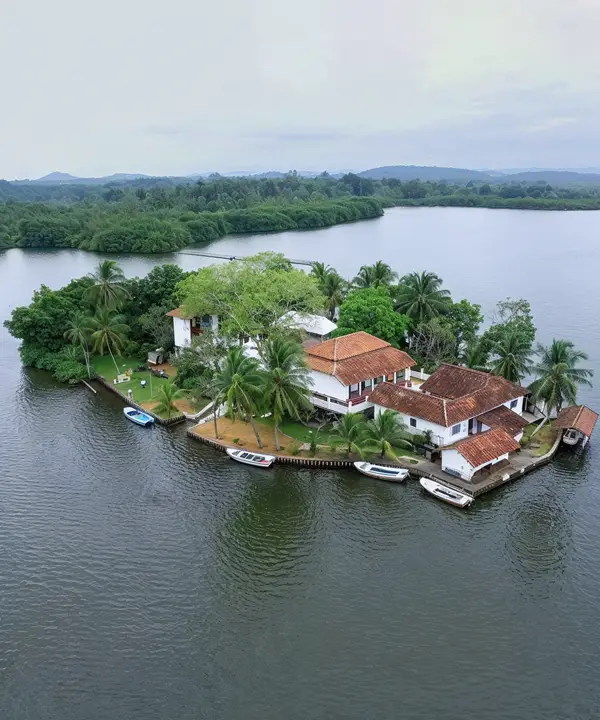
Kothduwa Temple Island
A small island in the heart of Madu Ganga Lake, home to the ancient Kothduwa Raja Maha Viharaya. The island holds a sacred Bodhi tree believed to be a descendant of the Jaya Sri Maha Bodhi in Anuradhapura, and is surrounded by water.
Learn More →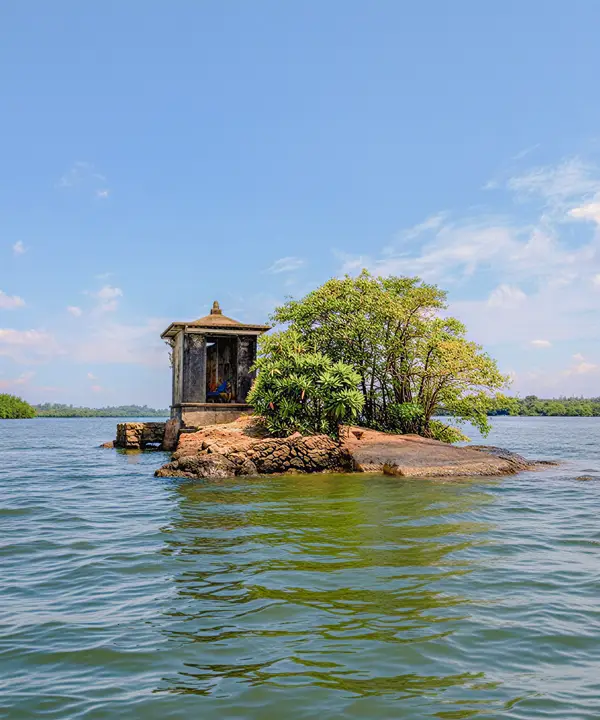
Five Cent Island (Satha Paha Duwa)
Named after an old five-cent coin for its tiny size, this islet features a colourful Hindu shrine dedicated to Ganesha and Skanda. It is widely considered the smallest island on the Madu Ganga and is a brief but charming stop on the route.
Learn More →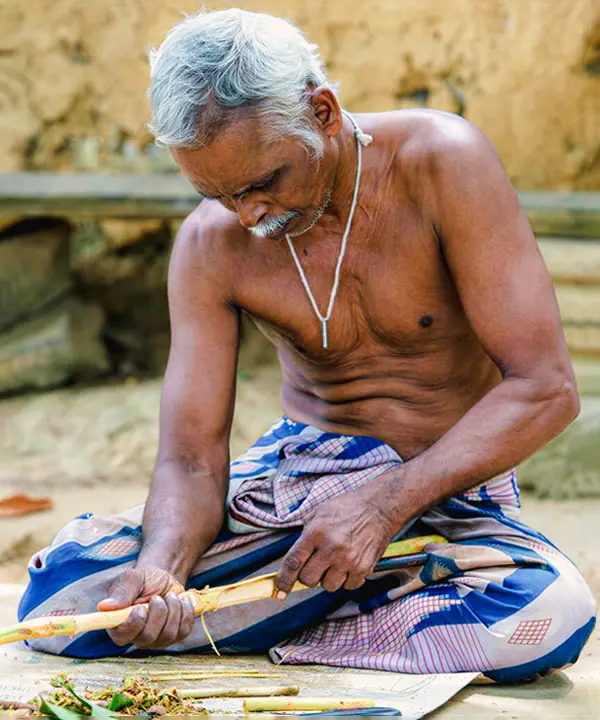
Cinnamon Island (Kurundu Duwa)
A working cinnamon plantation island where local families demonstrate traditional cinnamon peeling and processing techniques passed down through generations. Visitors can observe cinnamon bark preparation and the production of cinnamon oil.
Learn More →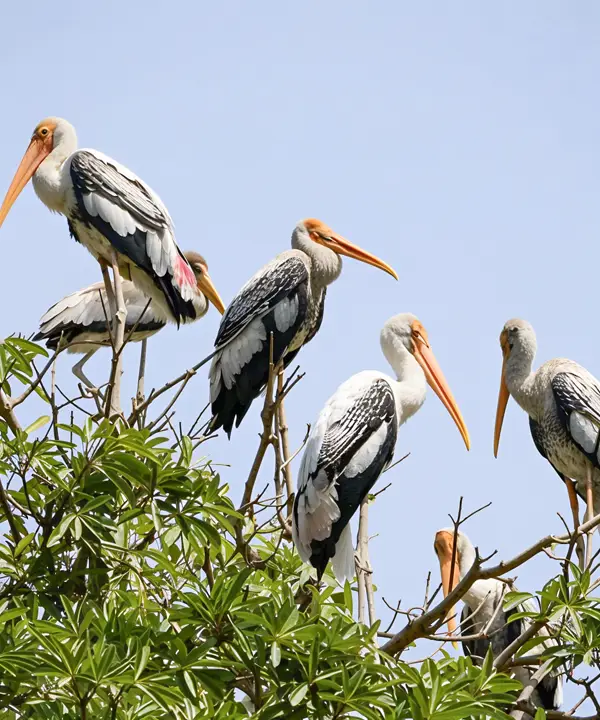
Special Bird Island
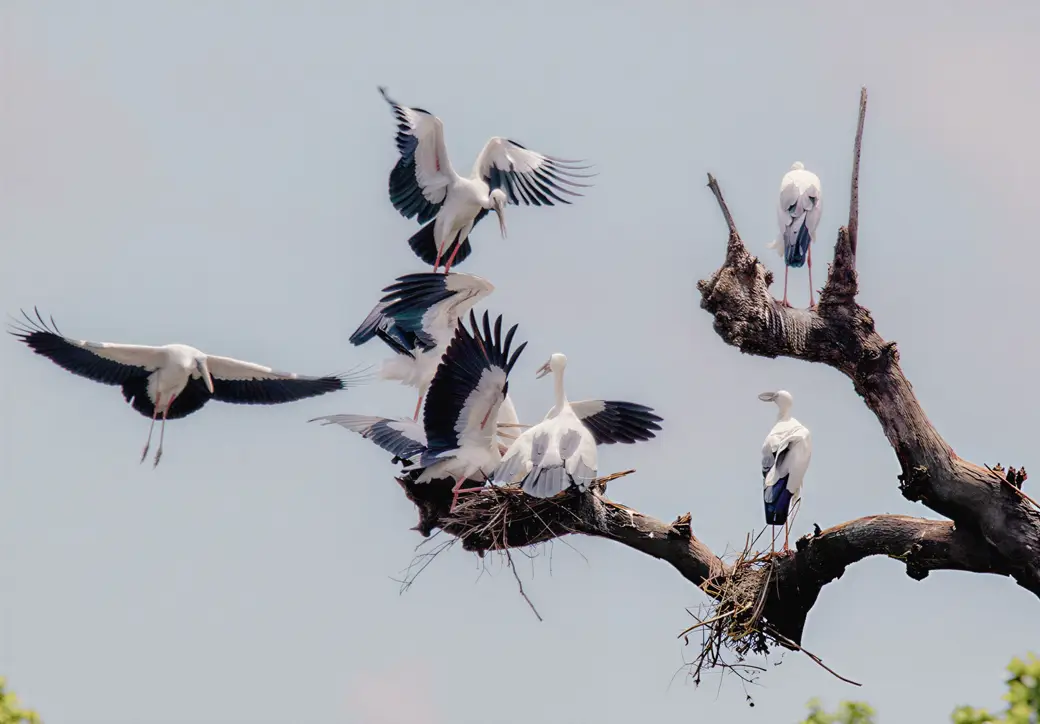
A protected island area within the wetland where herons, cormorants, egrets, and other migratory water birds gather in large numbers. During the late afternoon, flocks regularly return to the island, creating a popular birdwatching location.
Learn More →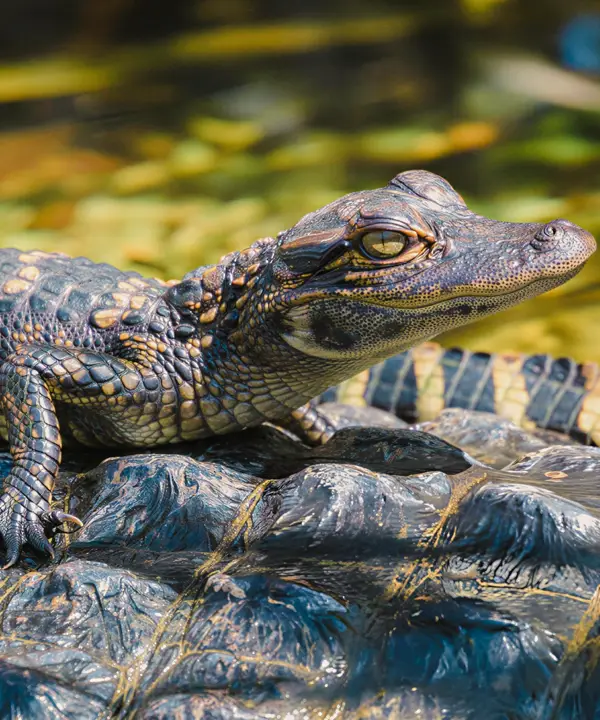
Baby Crocodile Spot
A safari stop where visitors can safely hold a baby crocodile under supervision while learning about reptiles found in the estuary. The Madu Ganga wetland is also known to contain wild saltwater crocodiles living within its mangrove environment.
Learn More →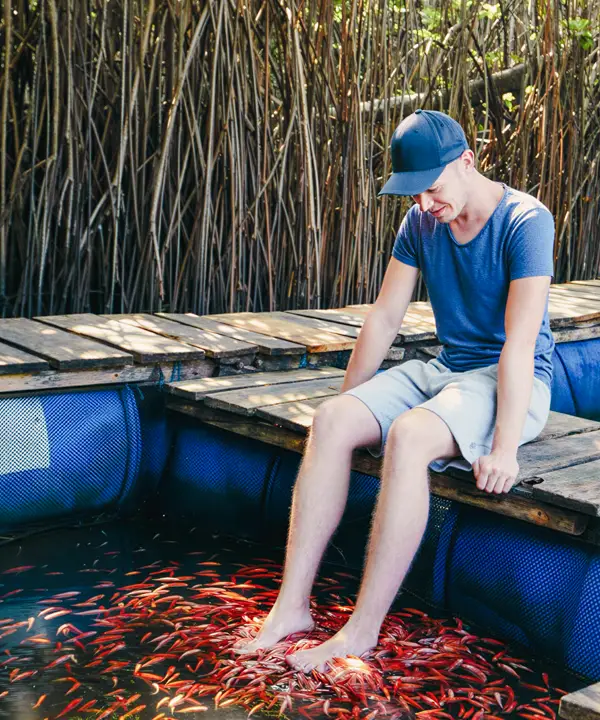
Natural Fish Therapy
A floating platform where small freshwater fish gently interact with the skin on visitors’ feet, creating a natural fish therapy experience. This open-air wellness experience has become one of the most recognised attractions in Madu River.
Learn More →
Captain's Maritime Museum
Explore Captain's Maritime Museum to discover maritime artefacts, and the history of boat building in Balapitiya. Located near the Madu River, it offers a cultural stop before or after your boat safari while highlighting the region's heritage.
Learn More →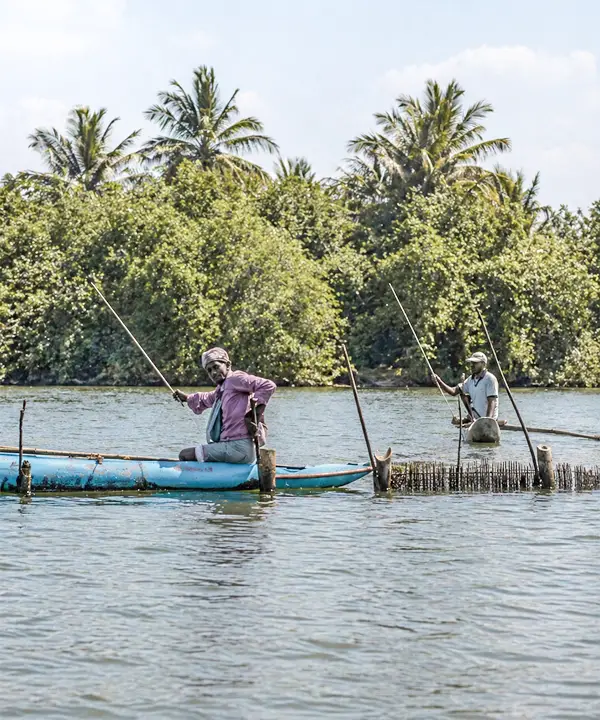
Shrimp Farms & Prawn Kraals
Traditional bamboo prawn traps known locally as Ja Kotu can be seen in the shallow waters along parts of the estuary. Some surrounding areas also contain small-scale shrimp farms that support local fishing and aquaculture livelihoods.
Learn More →Experiences on the Safari
Beyond the scenic boat ride, the Madu Ganga safari is built around a series of hands-on moments. Here is what to expect from each experience along the way.
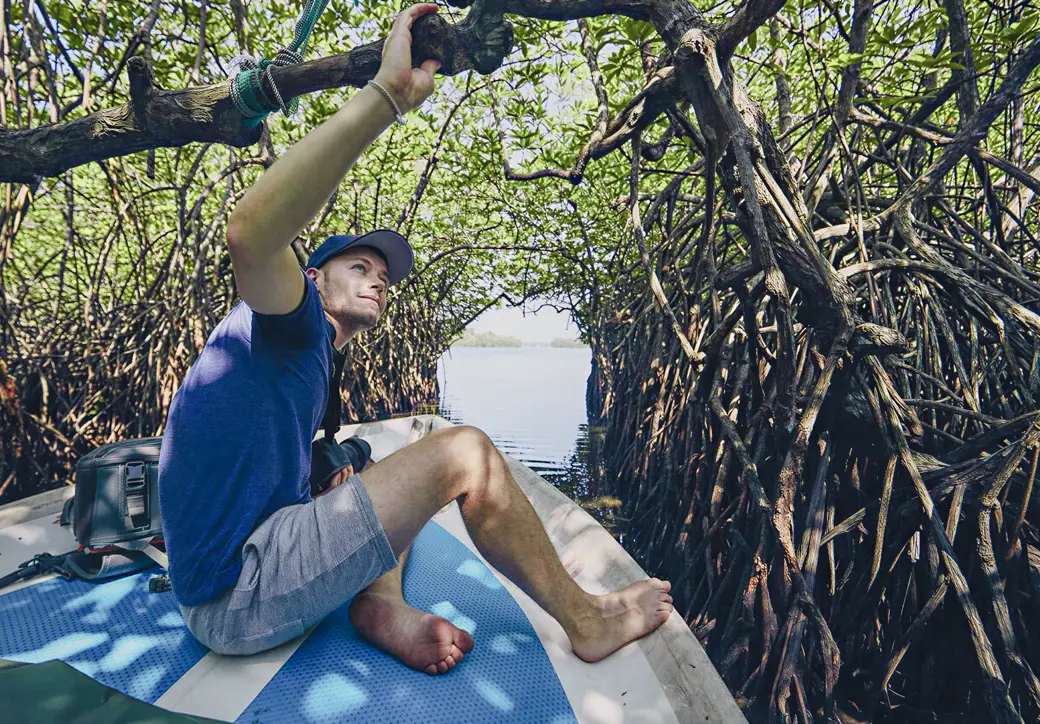
Mangrove Exploration
The centrepiece of the safari. The boat navigates slowly through winding mangrove channels, switching between narrow tunnel passages and wide open lagoon stretches. Your guide will explain the ecological importance of the mangrove ecosystem — how its tangled root systems support breeding fish and prawns, filter the water, and protect the coastline from erosion. Keep your eyes on the banks for water monitors, cormorants, and purple-faced langurs moving through the canopy.
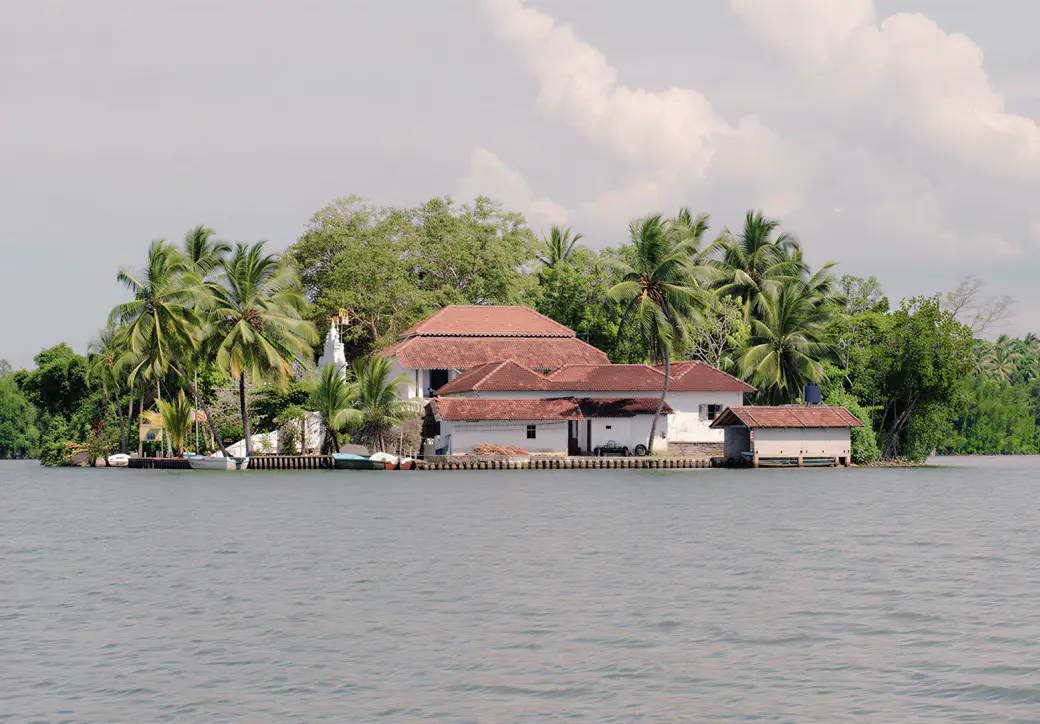
Kothduwa Temple Visit
The boat docks at Kothduwa Island to visit the Kothduwa Raja Maha Viharaya, an ancient Buddhist temple known for its historical relics and a sacred Bodhi tree believed to be connected to the Jaya Sri Maha Bodhi in Anuradhapura. Visitors walk among the temple grounds, view the shrine houses, and sometimes receive a blessing from the resident monk. The island setting — completely surrounded by water — adds to the atmosphere of this quiet, sacred place.
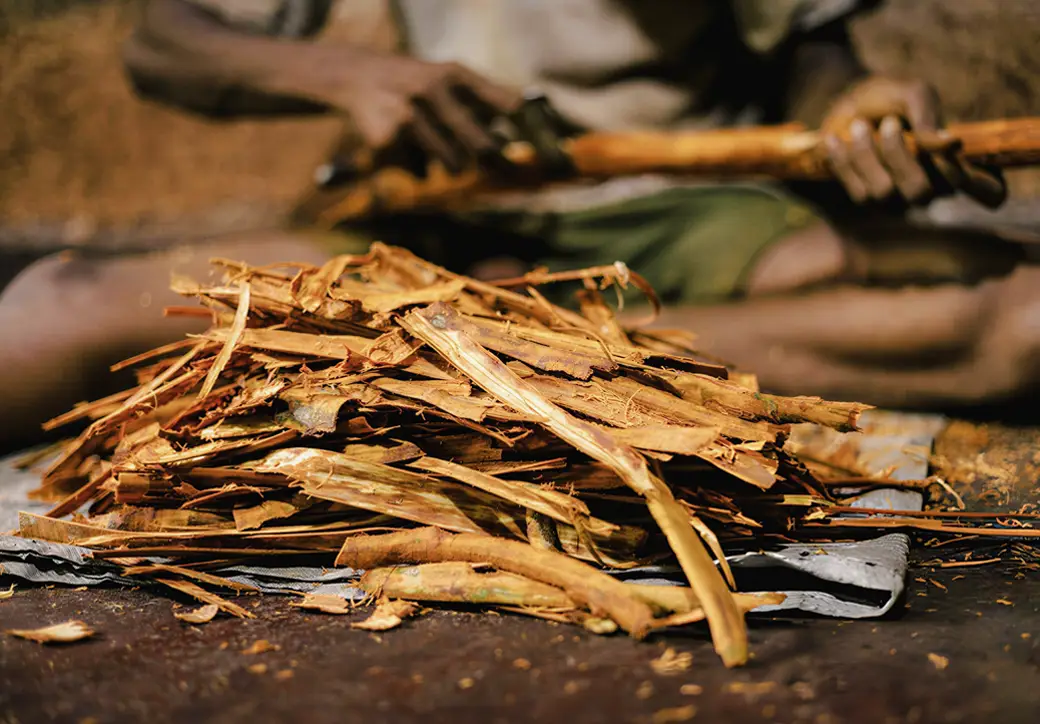
Cinnamon Harvesting
Step ashore on Cinnamon Island (Kurundu Duwa) where local residents demonstrate traditional cinnamon processing, including peeling cinnamon bark from the tree and producing cinnamon oil. Sri Lanka produces some of the finest true cinnamon in the world, and this island has been part of that heritage for generations. Visitors can observe the process up close and purchase freshly processed Sri Lankan cinnamon as a local souvenir to take home.
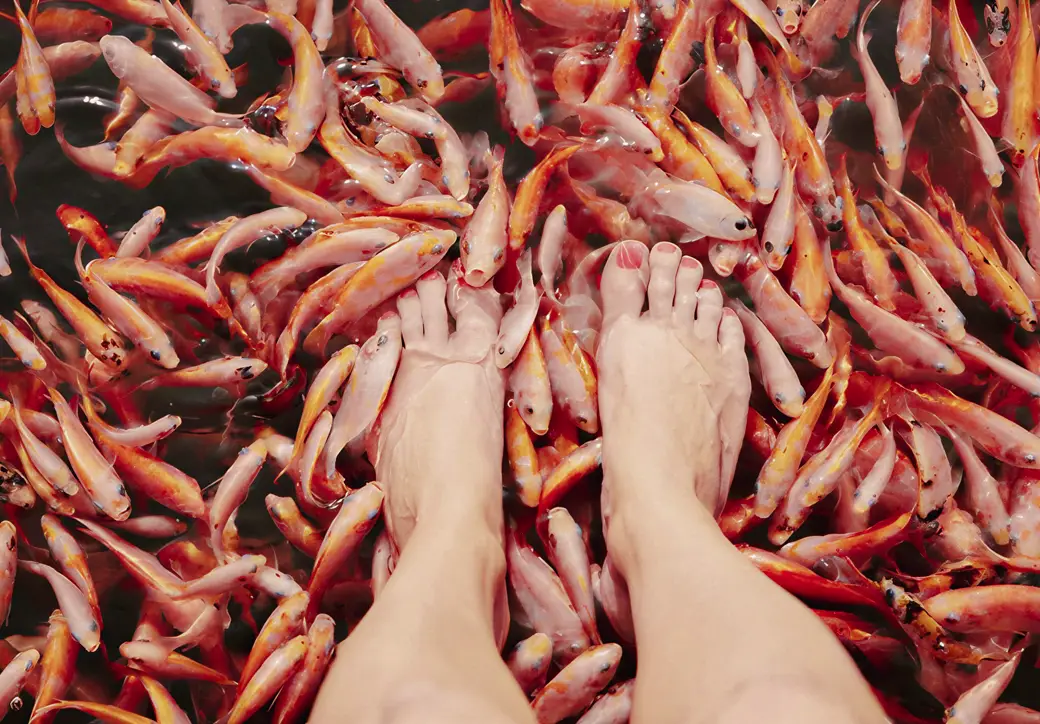
Fish Therapy Experience
A favourite stop along the route is the natural fish therapy platform, where you can dip your feet into the river as small freshwater fish gently nibble at the skin. Unlike artificial fish spas, this open-air experience takes place directly on the water, surrounded by the river environment. The sensation is light and ticklish, and most visitors find it a relaxing and memorable part of the trip. This stop may carry a small additional fee depending on the operator.
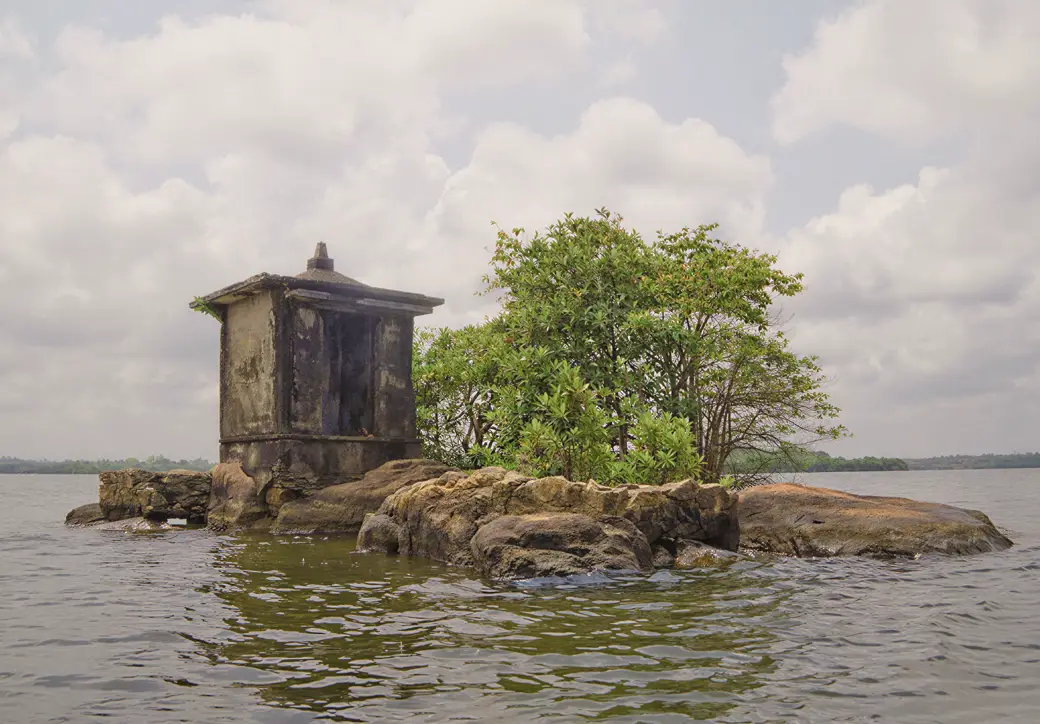
Five Cent Island Visit
Named after an old coin for its tiny size, Satha Paha Duwa is a brief but interesting stop on the route. The islet features a colourful Hindu shrine dedicated to Ganesha and Skanda, nestled among tropical vegetation. Boats usually pause here for visitors to view the shrine and take photographs before continuing along the river. It's a simple cultural stop that reflects the multi-religious character of the communities living around Madu Ganga.
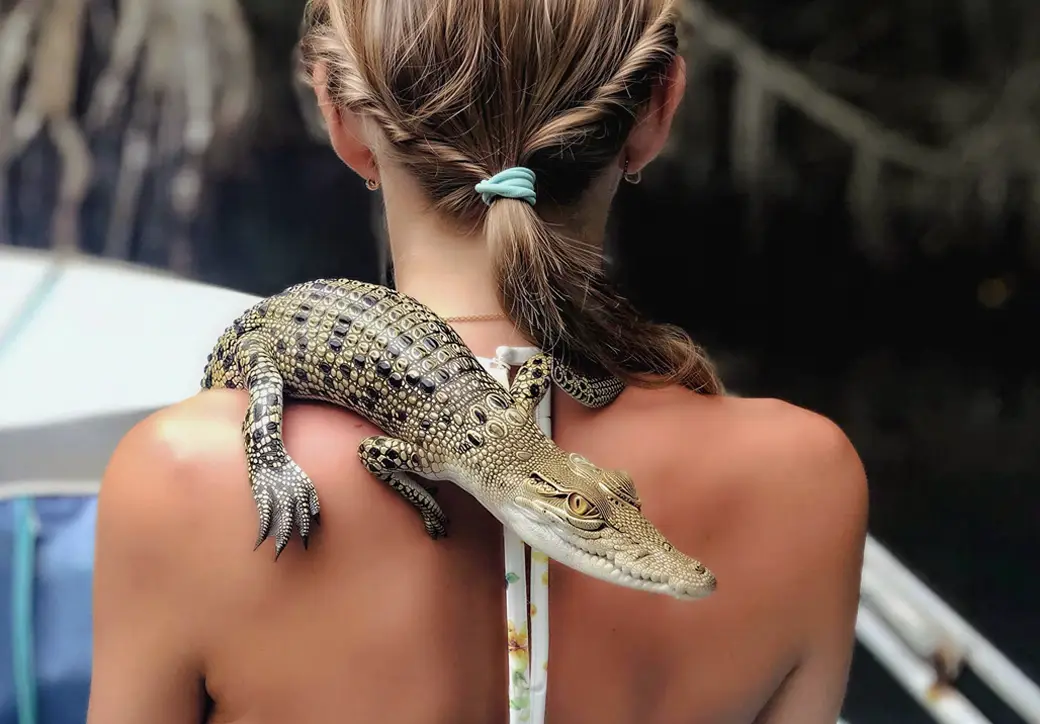
Baby Crocodile Experience
At a dedicated stop along the route, a local handler presents a young crocodile, giving visitors the opportunity to hold it and take photographs. Saltwater crocodiles are native to the Madu Ganga estuary, and while wild adults are rarely seen close-up from the boat, this controlled stop offers a rare hands-on encounter. It is a popular experience for families and one of the most talked-about moments of the safari.
Special Bird Island Visit
A dedicated birdwatching stop on the safari. The island serves as a roosting and nesting ground for herons, cormorants, egrets, and other water birds. In the late afternoon, large flocks return to the island in formation, a striking natural display. The Madu Ganga wetland is home to over 100 recorded bird species in total, and this island is one of the best spots within the safari to observe them at close range.
Sunrise & Sunset River Cruises
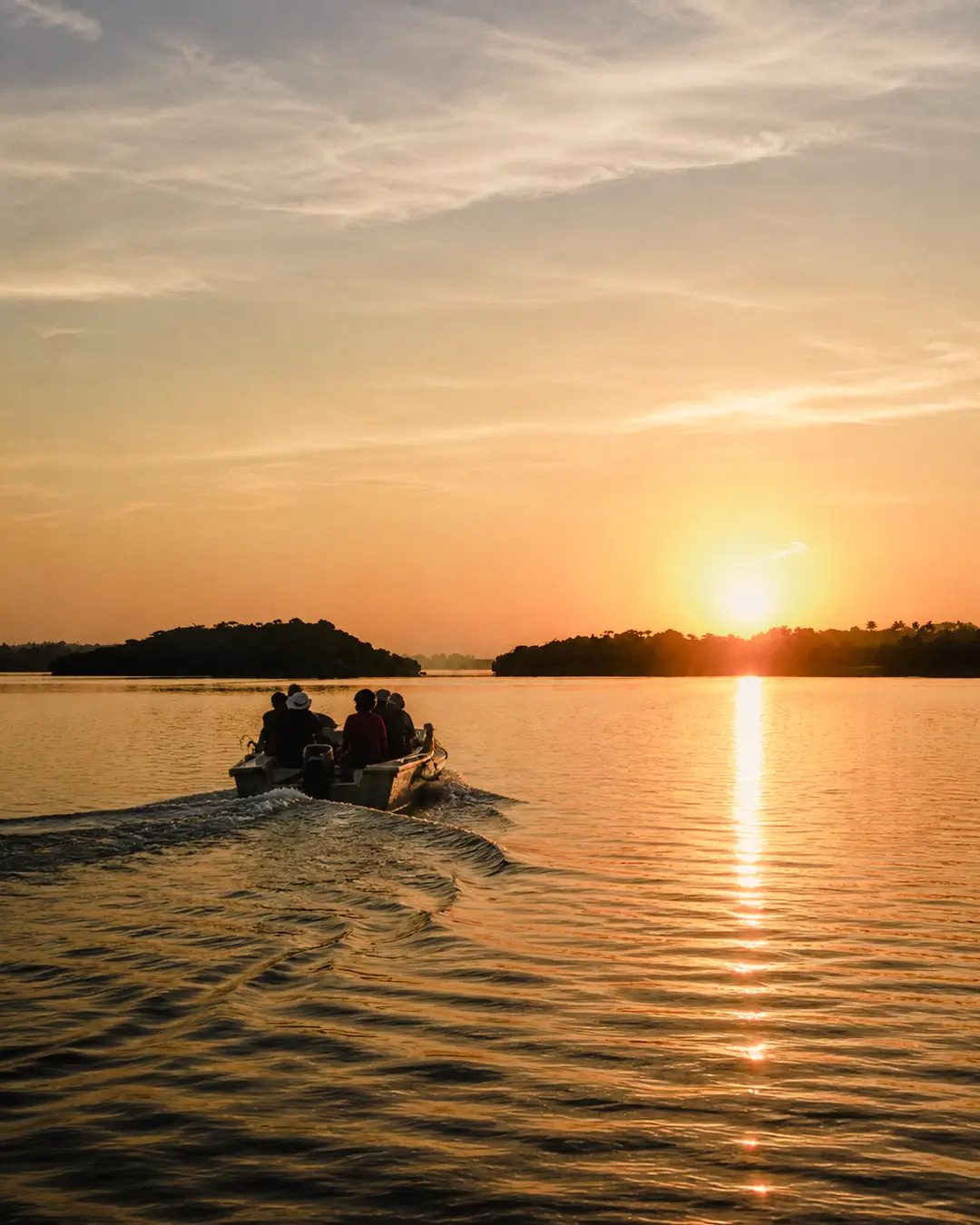
For a different perspective on Madu Ganga, Jaliya Boat Safari offers dedicated sunrise and sunset departures. Both offer the same core route but with dramatically different light, atmosphere, and wildlife activity.
Sunrise River Cruise
The early morning departure offers cooler air, mist rising off the water, and the most active window for wildlife. Birds are most vocal and visible in the first hours after dawn, and morning light makes the mangrove channels particularly atmospheric. Ideal for photographers and nature lovers.
View Safari →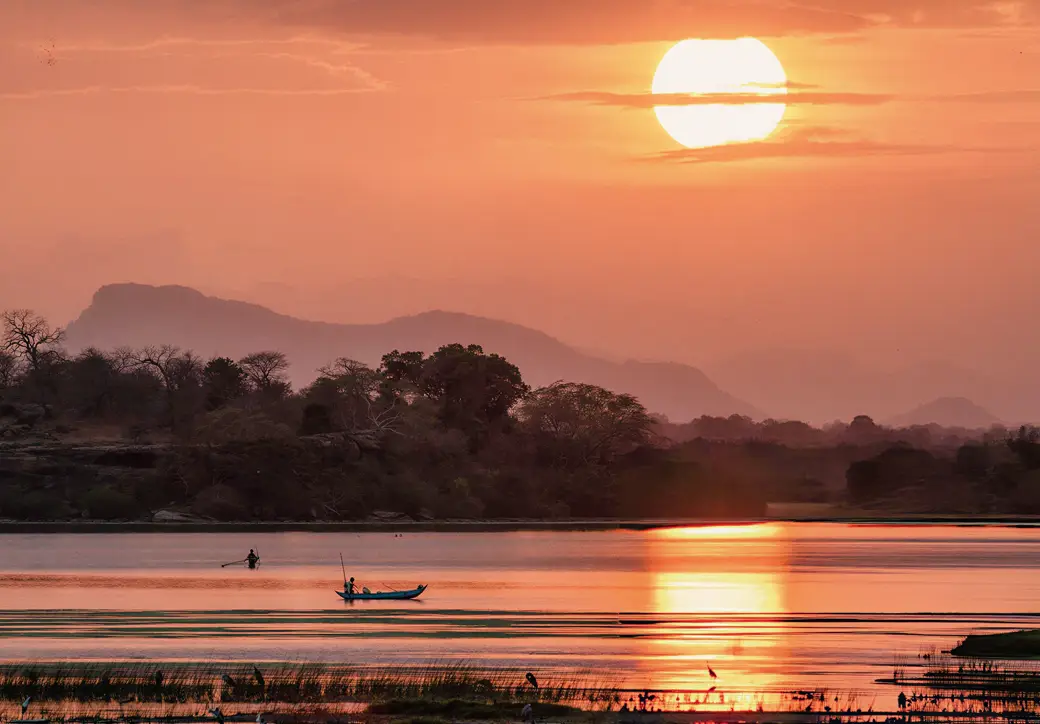
Sunset River Cruise
The late afternoon departure brings warm golden light across the open lagoon, with flocks of herons and cormorants returning to Special Bird Island to roost. The still water reflects the sky, creating striking mirrored views as the sun drops toward the horizon. One of the most visually rewarding times to be on the river.
View Safari →Wildlife and Scenic Beauty
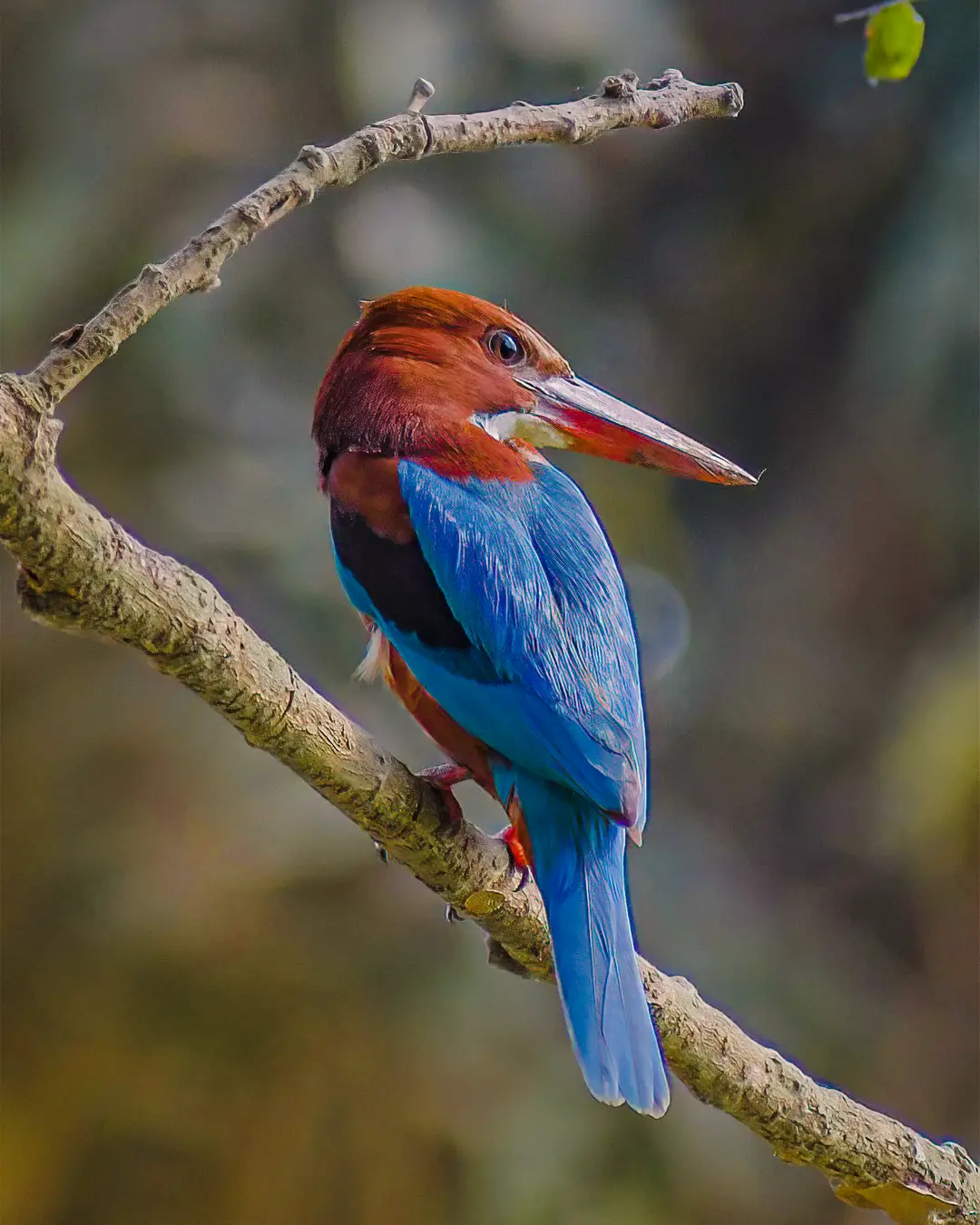
Madu Ganga is a haven for nature enthusiasts, with more than 100 bird species recorded in the wetlands, including egrets, herons, kingfishers, and occasionally brown fish owls. Along the riverbanks, visitors may also spot water monitors basking on roots, water snakes, and a variety of fish and crustaceans. Although saltwater crocodiles are present in parts of the estuary, boat operators follow established safe routes for tours.
The river's dense mangrove forests, known as Kadolana in Sinhala, form natural green tunnels that filter the water, protect the coastline, and serve as important breeding habitats for fish and prawns. On calm days, the still water reflects the sky and surrounding canopy, creating striking mirrored views that are especially popular with photographers.
 White-throated Kingfisher
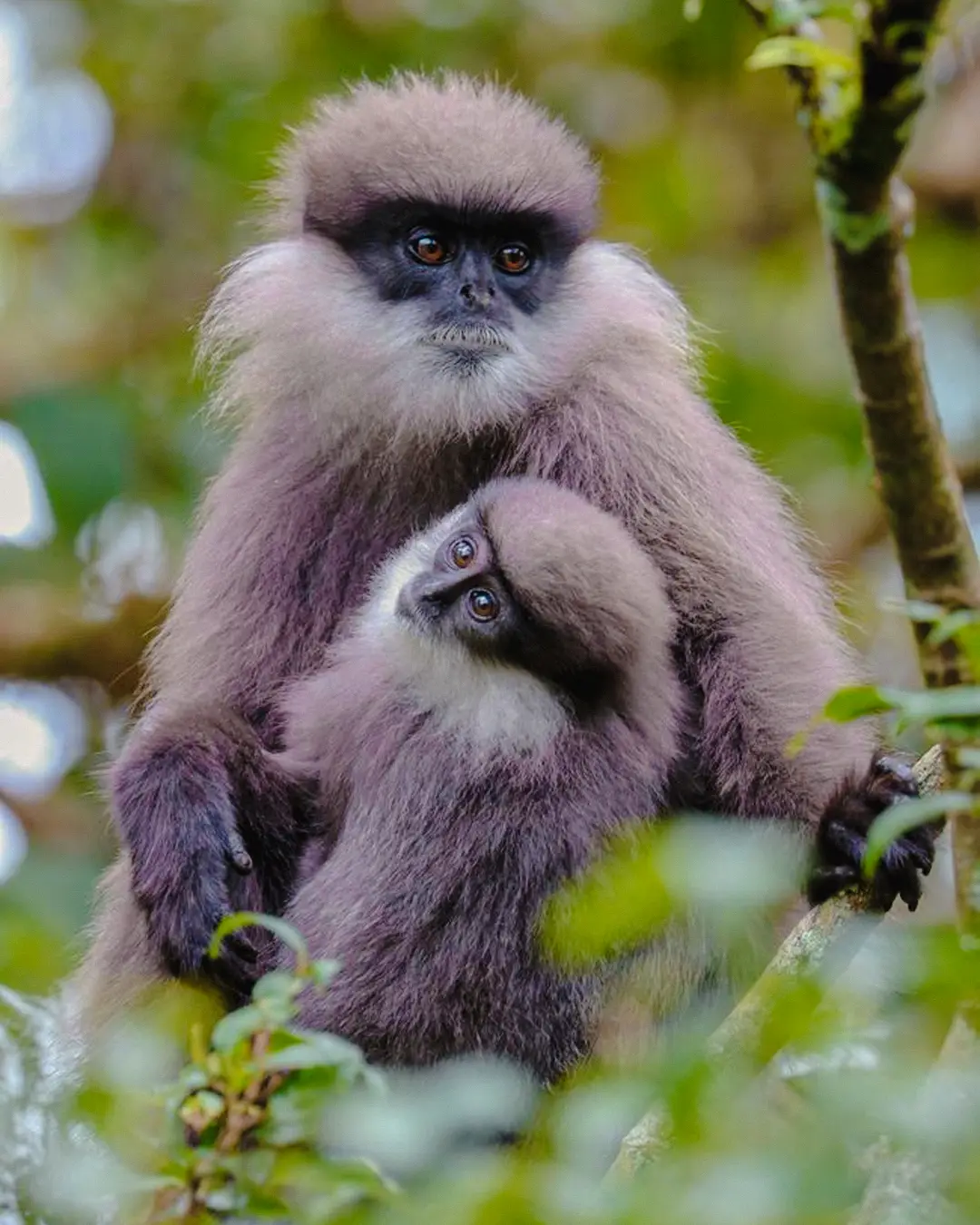 Purple-faced Langur
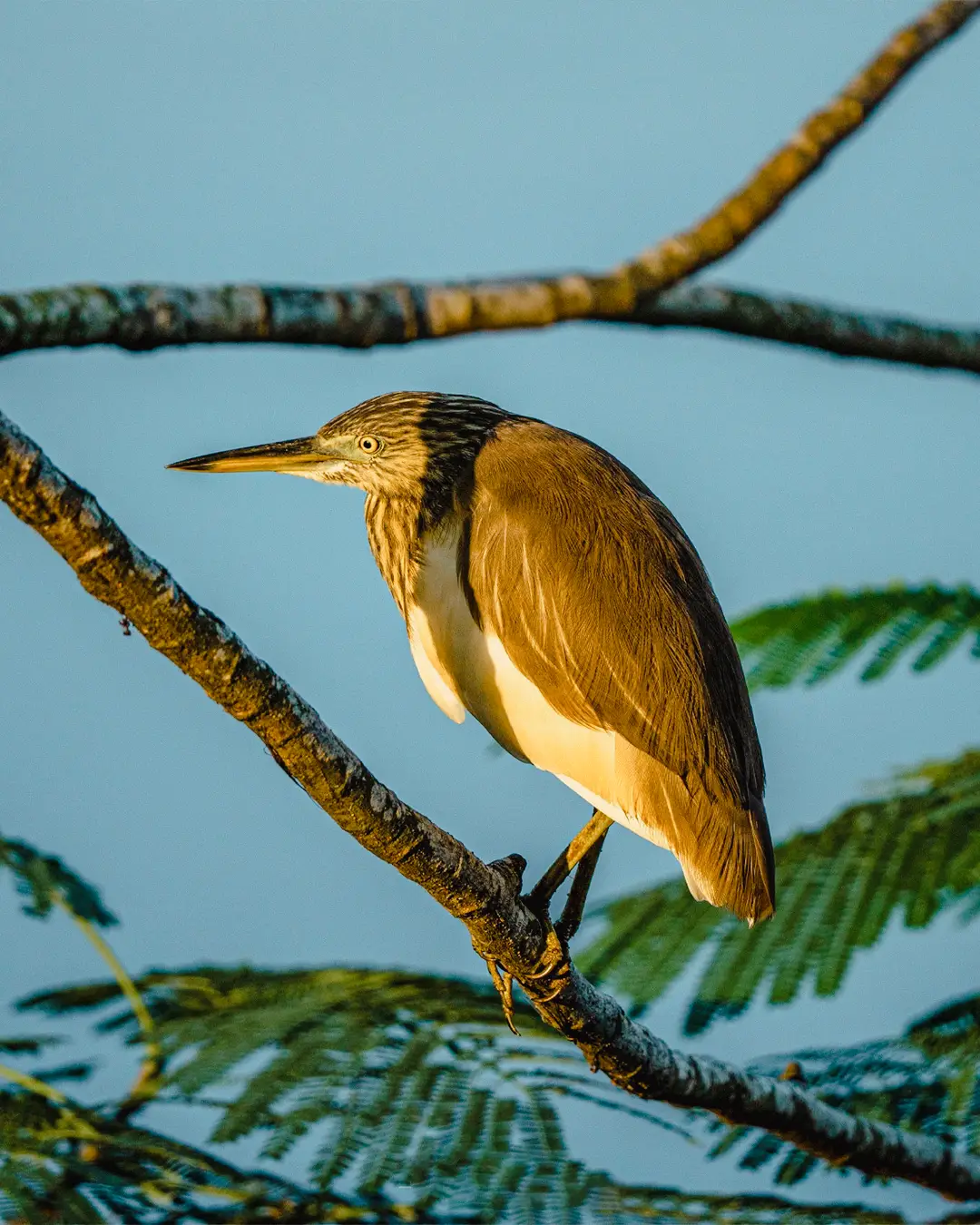 Indian Pond Heron
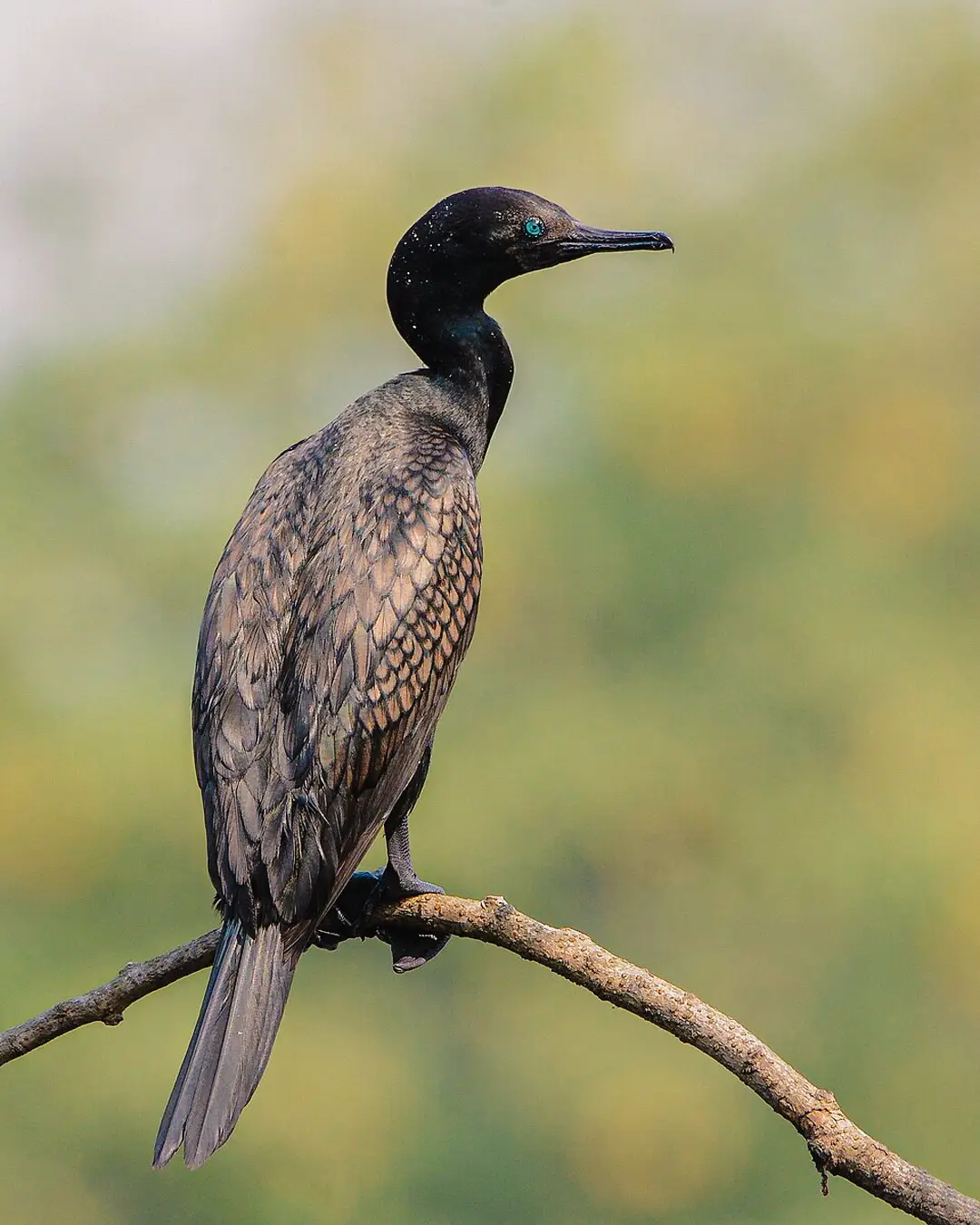 Indian Cormorant
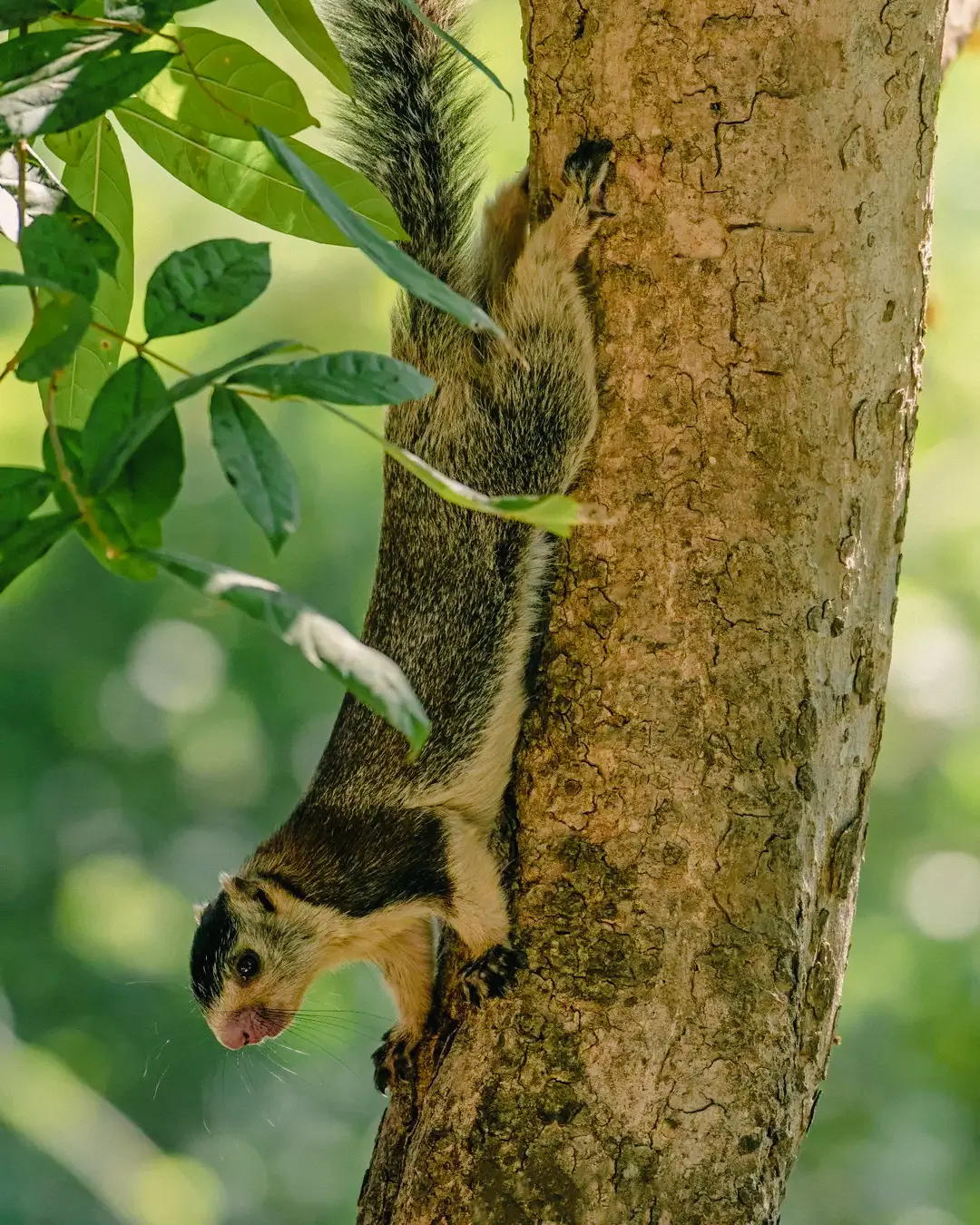 Grizzled Giant Squirrel
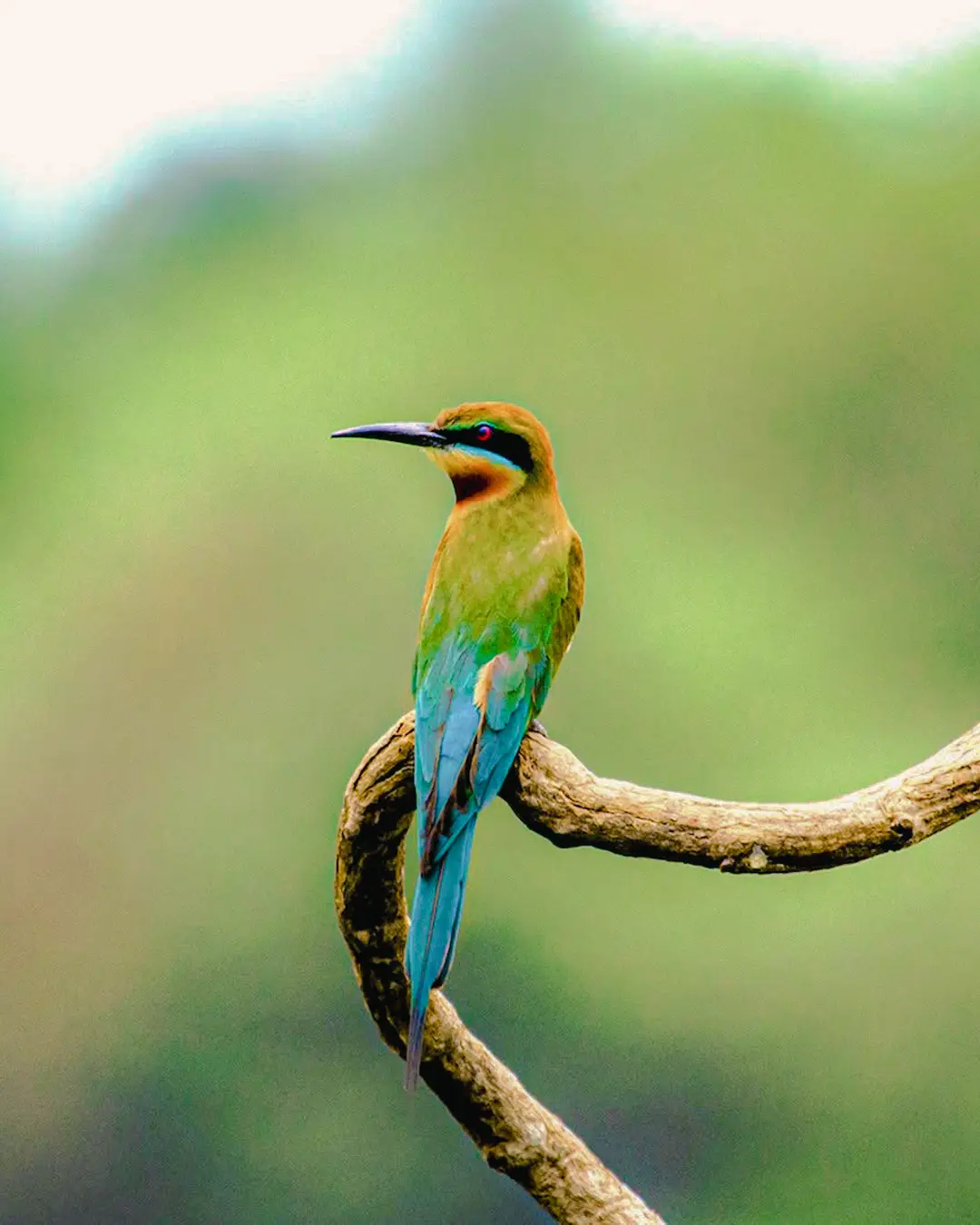 Blue-tailed Bee-eater
Practical Visitor Information
Madu Ganga boat safaris typically cost around LKR 8,000 to LKR 16,000 (approximately USD 25–50 per person), depending on duration and whether the tour is shared or private. Most safaris last between 1.5 to 3 hours.
Jaliya Boat Safari, the same Madu Ganga experience is available from LKR 6,199, offering a more direct and better value option compared to standard jetty or hotel pricing.
Boat safaris on Madu Ganga typically operate daily from early morning until late afternoon, depending on weather and demand. Early morning and late afternoon departures are generally best for cooler conditions and better chances of spotting wildlife. The river can be visited year round, though conditions are usually calmer during the dry months from November to April. During the southwest monsoon period (May to October), occasional rain or strong winds may affect schedules or lead to temporary cancellations for safety.
Light, breathable clothing such as cotton or quick-dry fabrics is recommended. A hat, sunglasses, and sunscreen will help protect you from the sun during the boat ride. Comfortable footwear or sandals are ideal for getting on and off the boat, and carrying mosquito repellent is useful for brief stops on the islands.
For a safe and comfortable experience, remain seated while the boat is moving, especially when passing under low bridges. Life jackets are provided and should be worn as instructed by the crew. Please follow all guidance from your boat operator, including any instructions when boarding, or disembarking.
With Jaliya Boat Safari, guests are also provided with complimentary bottled water and welcome drinks onboard for a more comfortable experience. Before departure, we also conduct a 15 to 30 minute introduction briefing explaining the route, key highlights, safety guidance, and what to expect during the safari.
You can easily book your Madu Ganga boat safari through our website or by contacting our team directly for assistance and availability. Advance booking is recommended, especially during peak season, to secure your preferred time slot and ensure a smooth experience.
Madu Ganga is a protected Ramsar wetland. Please avoid littering, keep noise levels low, and do not feed wildlife. Choose responsible operators who maintain their boats well and use environmentally conscious practices. Respectful behavior helps preserve this unique ecosystem for future visitors and the local communities who depend on it.
Frequently Asked Questions
How long does a Madu Ganga safari take?
Safaris usually last between 1.5 and 3 hours, depending on the route and stops included.
How much does the safari cost?
Prices typically range from LKR 8,000 to LKR 16,000 (USD 25–50). With Jaliya Boat Safari,, you can book from LKR 6,199 via our website.
What wildlife will I see?
Kingfishers, egrets, herons, water monitors and purple faced langurs are commonly seen along the river.
Are there crocodiles in Madu Ganga?
Saltwater crocodiles do live in the estuary, but boats follow safe channels and tours are operated with safety as the priority.
Is the fish therapy stop included?
Some tours include an optional stop at a natural fish therapy point along the river, usually for a small extra fee depending on the operator.
Can I hold a baby crocodile?
Yes. A dedicated stop along the route allows visitors to hold a young crocodile and take photos with it. This is a popular experience for families and is included in the Jaliya Boat Safari route.
Can children and elderly guests join?
Yes, the safari is calm and suitable for all ages. Life jackets are provided and staff assist with boarding when needed.
What should I bring?
Comfortable clothing, sunscreen, a hat, and a camera are recommended. Water and welcome drinks are provided by Jaliya Boat Safari.
Do you offer sunrise and sunset cruises?
Yes. Jaliya Boat Safari offers dedicated sunrise and sunrset departures. Both are available to book through our website or by contacting our team directly.
How do I book?
You can book directly through our website or contact our team for assistance and availability.
By the end of your safari you will understand why Madu Ganga is more than just a river. Every bend reveals mangroves, birdlife, cultural sites, and cinnamon plantations. Whether you are a nature lover, a family looking for a calm outing, or a photographer, the boat safari offers a truly memorable experience.
Reserve Today Instant Confirmation · Free Cancellation