
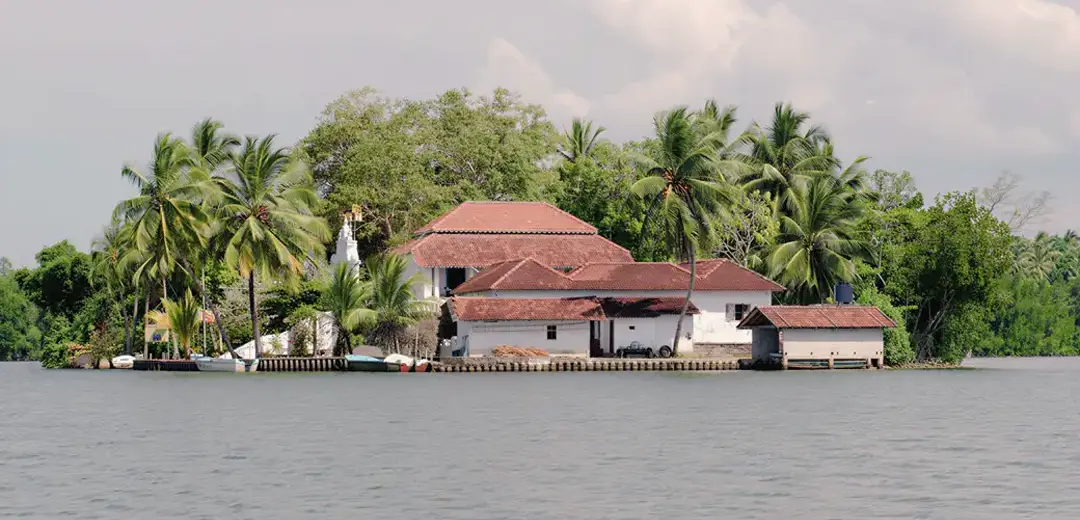
Hidden within the mangrove labyrinth of Madu Ganga, the Kothduwa Raja Maha Viharaya is one of Sri Lanka's most extraordinary island temples, accessible only by boat, surrounded by protected wetlands, and steeped in over 1,600 years of history. A visit here is both a spiritual journey and an immersion in one of Asia's most remarkable river ecosystems.
What is Kothduwa Raja Maha Viharaya?
Kothduwa Raja Maha Viharaya is a Buddhist temple situated on a small island within the Maduganga (Madu River) estuary, near Balapitiya on Sri Lanka's southwest coast. The island lies within the 915-hectare Madu Ganga Ramsar wetland, a protected zone of international ecological importance, making this one of the few temples in the world set entirely within a designated wetland reserve.
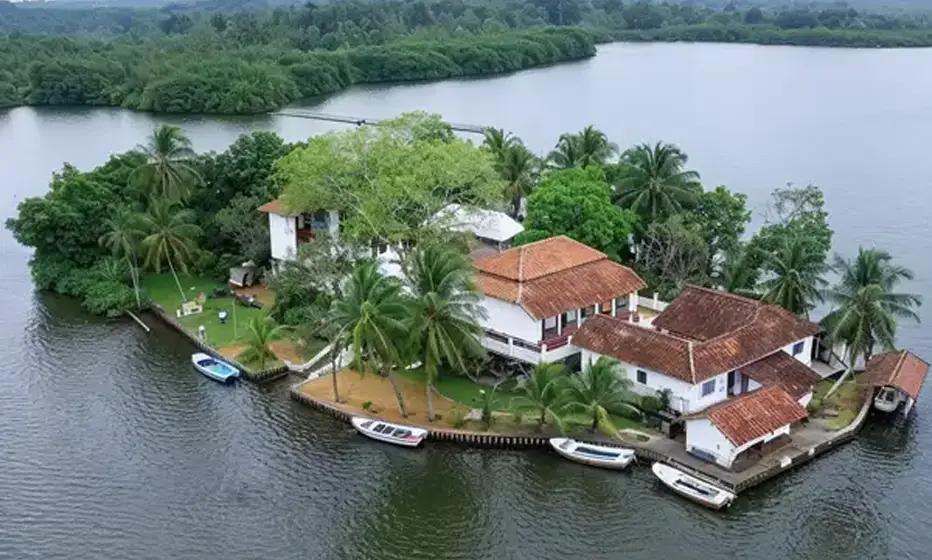
What makes Kothduwa temple especially unique is its complete isolation. There is no road, no bridge, and no village on the island. It can only be reached by water, and the only way to visit is by boat from Balapitiya. This gives the temple a rare, untouched atmosphere unlike any other sacred site in Sri Lanka.
A Temple Built on Relic & Legend
According to the ancient chronicle Dalada Vansaya, the Buddha's sacred tooth relic was smuggled into Sri Lanka from India in the 4th century CE, briefly hidden on Kothduwa Island before being delivered to the king. To honour this, minister Deva Pathiraja planted a sapling from the revered Jaya Sri Maha Bodhi of Anuradhapura on the island.
The first proper temple buildings were constructed in the 1860s by local leader Samson Rajapakse, eventually growing into a Great Royal Temple.
What to See at Kothduwa
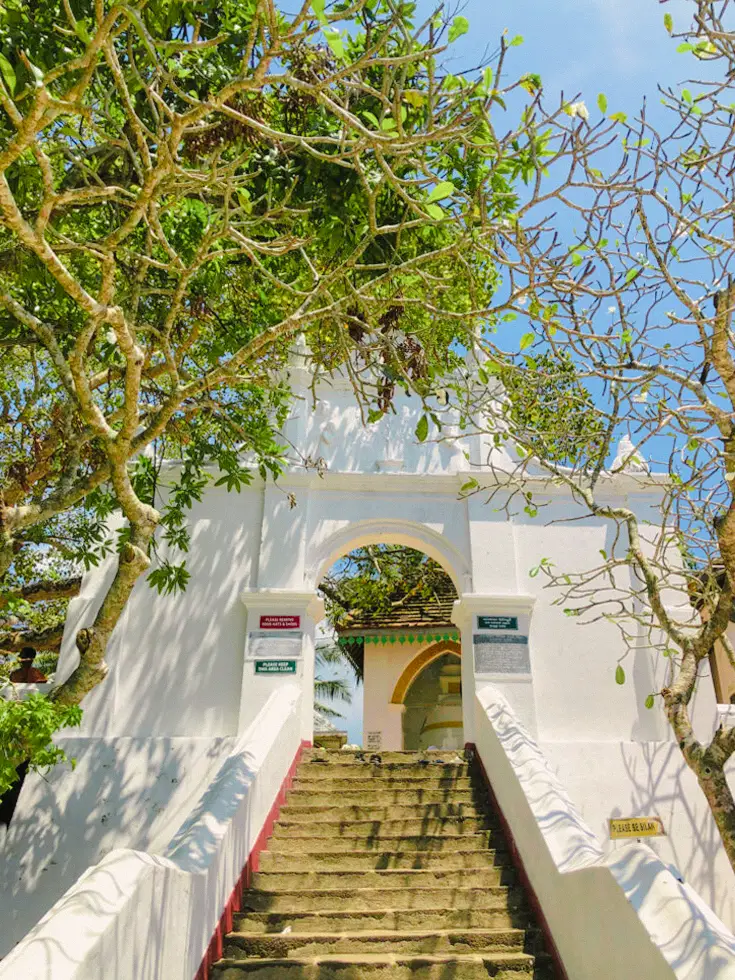
Despite its compact size, the temple island holds a number of significant sights. Most visitors explore the grounds on foot, moving between the main shrine, Bodhi tree, and the peaceful outer terraces that overlook the river.
The Sacred Bodhi Tree
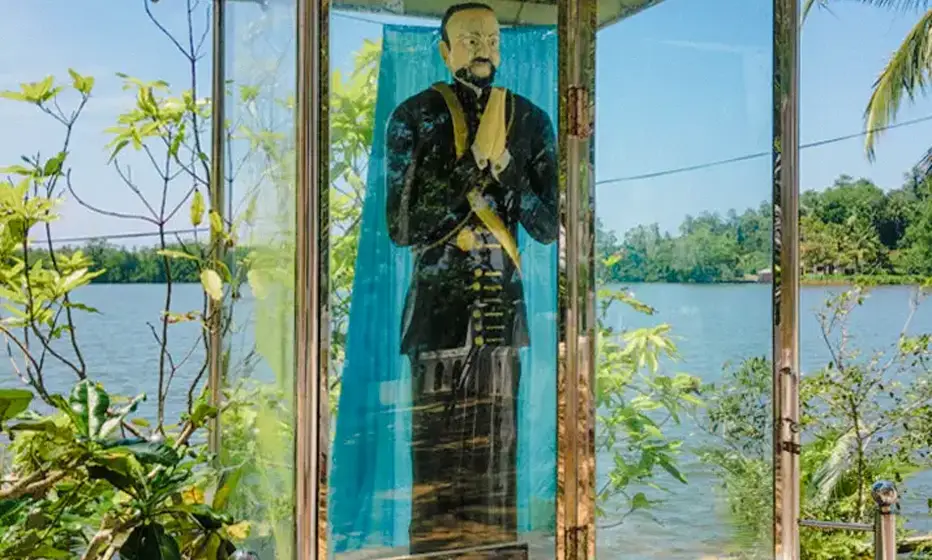
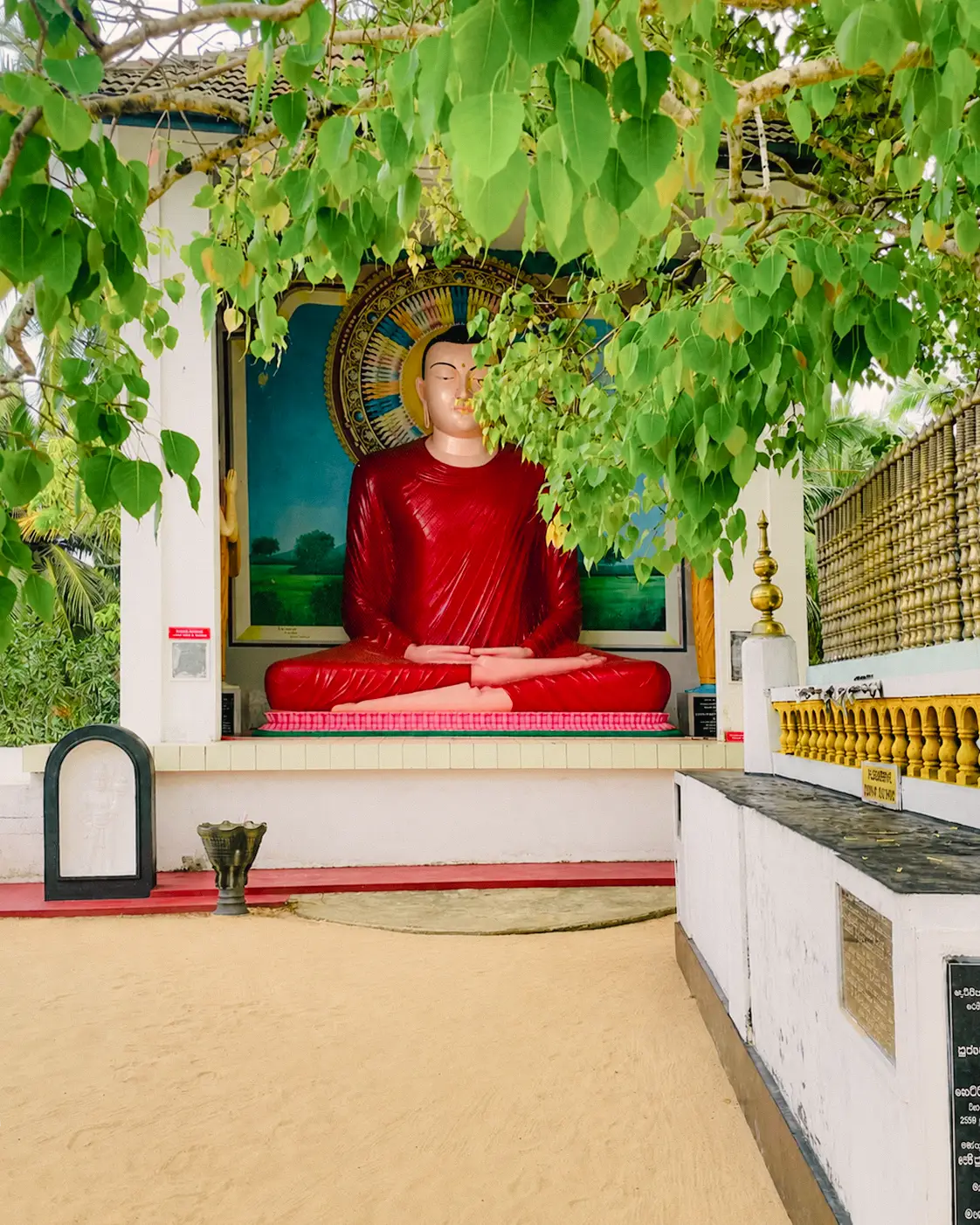
At the heart of the temple grounds stands the ancient Bodhi tree, believed to be grown from a cutting of the Jaya Sri Maha Bodhi in Anuradhapura, and it's one of the most sacred trees in the Buddhist world. A commemorative plaque near the tree describes the history of how the cutting was brought to Kothduwa Island, a story that connects this remote river shrine to Sri Lanka's most revered religious heritage.
On full-moon Poya days, the island can host nearly 1,000 local pilgrims who come specifically to make offerings at the Bodhi tree. On quieter weekdays, the tree and its surroundings feel deeply serene.
The Main Shrine & Buddha Statue
The temple's main shrine houses a large and beautifully decorated Buddha statue that draws both devotees and visitors seeking a moment of quiet reflection. The shrine room is traditionally styled, with offerings of flowers and incense kept by resident monks. Shoes must be removed before entering any temple building, and modest dress is appreciated.
Note: Photography is welcome throughout the temple grounds. However, please be respectful inside the shrine room, and avoid photographing during active ceremonies or prayer. Keep noise to a minimum out of respect for worshippers.
Madu Ganga Boat Safari: Other Highlights
The only way to reach Kothduwa is by boat, and the journey itself is one of the great highlights of a visit. Most travellers join a Madu Ganga boat safari from Balapitiya, which includes Kothduwa island as one of several stops along a 1.5 to 3 hour river cruise through the mangroves.
Fish Therapy (Fish Spa)
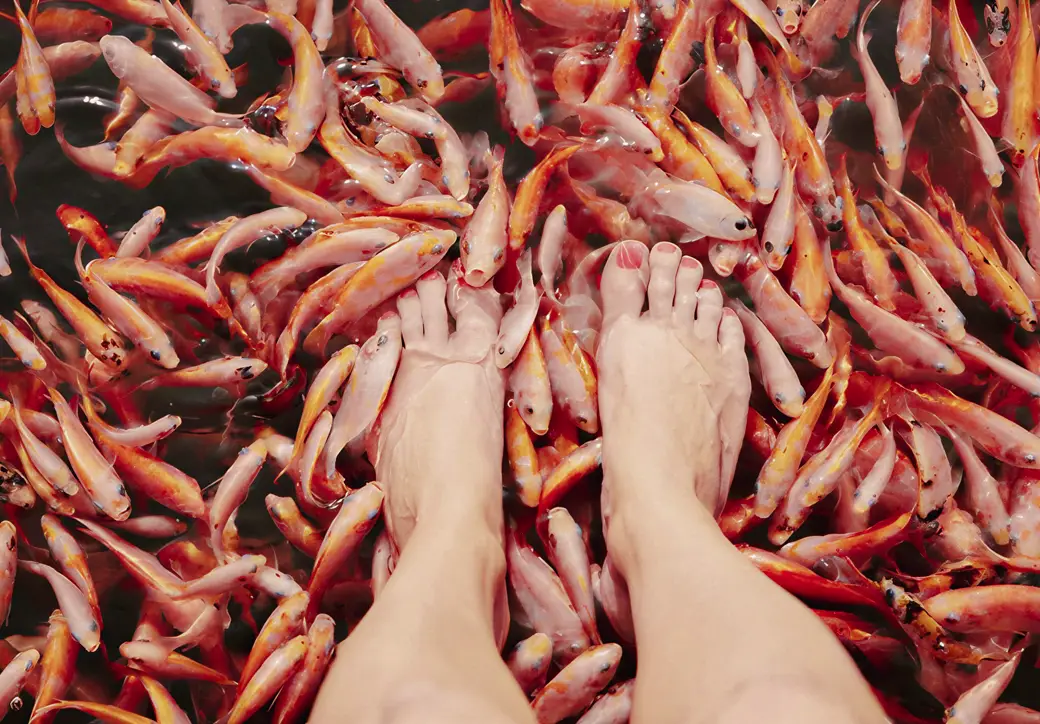
One of the most popular stops along the route is a floating platform where guests can try a natural fish therapy experience. Small freshwater fish gently nibble at the skin of your feet, creating a light tickling and massaging sensation. It's a relaxing and fun novelty, and it's a favourite with both families and first-time visitors to the river.
Unlike modern spa treatments, this traditional style fish therapy is completely natural and does not involve chemicals or artificial products. The tiny fish carefully remove dead skin cells from the surface of the feet, leaving the skin feeling softer and smoother afterwards.
Cinnamon Island
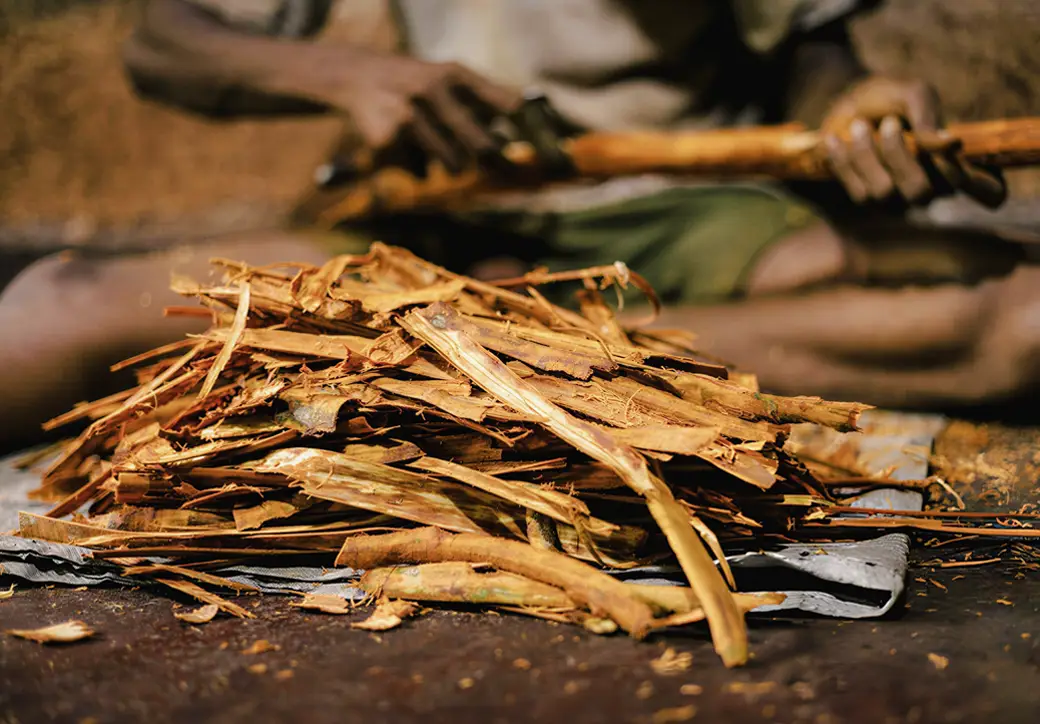
Another stop along the route is Cinnamon Island (Kurundu Doowa), where local residents demonstrate traditional cinnamon processing, from peeling the bark to producing cinnamon oil. Sri Lanka is the world's leading producer of true Ceylon cinnamon, and this hands-on demonstration gives visitors a direct connection to that centuries-old spice trade. Fresh cinnamon is available to purchase as a local souvenir.
Visitors can observe how cinnamon branches are carefully selected, cut, and peeled by skilled workers using simple traditional tools.
Mangrove Tunnels & Wildlife
The boat navigates through dense mangrove waterways where visitors commonly spot kingfishers, egrets, herons, water monitors, and purple-faced langurs along the banks. The still water reflects the surrounding canopy on calm days, creating striking mirrored views. The mangrove forests, known as Kadolana in Sinhala, are among the most intact in Sri Lanka and form a natural green tunnel that the boat passes through slowly, making for one of the most atmospheric moments of the safari.
Practical Visitor Information
Kothduwa island is accessible only by boat from Balapitiya, located 88 km south of Colombo and 35 km north of Galle on the A2 coastal road. There are no bridges or roads to the island. Most visitors join an organised Madu Ganga boat safari from the Balapitiya jetty, which includes Kothduwa island as a stop.
The temple does not charge a fixed entrance fee. A small voluntary donation is customary when visiting the shrine. Sri Lankan residents typically visit free of charge, while foreign visitors are commonly asked for a donation. For a full breakdown, check our Madu River Boat Safari Price in Sri Lanka article.
The temple is open daily during daylight from 6:00 AM to 5:00 PM and can be visited year-round. For a quieter experience, weekday morning arrivals outside of Poya (full-moon) days are ideal. On Poya days, the island can host nearly 1,000 local pilgrims. Conditions are generally calmer during the dry months from November to April.
Madu Ganga boat safaris including Kothduwa Island typically last between 1.5 and 3 hours and cost around LKR 8,000 to LKR 16,000 (approx. USD 25–50 per person). Through Jaliya Boat Safari, the same experience is available from LKR 6,199, a more direct and better-value option than standard jetty or hotel pricing.
Light breathable clothing, a hat, sunglasses, and sunscreen are recommended for the boat ride. Carry a sarong or cover-up for the temple visit. Comfortable sandals that are easy to remove are ideal. Mosquito repellent is useful for brief island stops. Water and welcome drinks are provided onboard with Jaliya Boat Safari.
Photography is permitted throughout the temple grounds and along the river. The views of the whitewashed temple rising above the water from the boat are among the most photographic moments on the whole safari. Bring a camera with a good zoom for wildlife along the mangroves.
Kothduwa sits within a protected Ramsar wetland. Please do not litter, and avoid disturbing wildlife or feeding animals. Inside the temple, do not photograph during active ceremonies or prayer, and maintain respectful behaviour at all times. Choosing responsible boat operators who follow safe, environmentally sound practices helps preserve this site for future generations.
Frequently Asked Questions
Where exactly is Kothduwa Raja Maha Viharaya?
It sits on Kothduwa Island in the Maduganga estuary, just north of Balapitiya town in Southern Sri Lanka. Balapitiya is on the main A2 coastal road, about 35 km north of Galle and 88 km south of Colombo.
How do I reach the temple?
There are no bridges, and access is only by boat. Most visitors join an organised Madu Ganga boat safari departing from the Balapitiya jetty, which includes Kothduwa Rajamaha Viharaya as one of the main stops along the route.
Is there an entrance fee?
The temple does not charge a fixed entrance fee. A small voluntary donation is customary when visiting the shrine. Note that the boat safari itself has a separate cost. For a full breakdown, check our Madu River Boat Safari Price in Sri Lanka article.
What should I wear to visit the temple?
Modest dress covering shoulders and knees is appreciated. Shoes must be removed before entering any temple buildings. Bringing a sarong or light wrap is recommended, especially if you plan to enter the main shrine room.
What other stops are included in the boat safari?
A typical Madu Ganga safari includes Kothduwa Rajamaha Viharaya, a traditional fish therapy floating platform, Cinnamon Island (where you can see traditional cinnamon processing), and scenic mangrove waterways with opportunities to spot wildlife such as kingfishers, water monitors, and monkeys.
When is the best time to visit?
The temple can be visited year-round, but weekday mornings outside of Poya (full-moon) days offer the most peaceful experience. Dry season months from November to April generally provide calmer river conditions.
Is photography allowed at the temple?
Yes, photography is welcome throughout the grounds. Please be respectful inside the shrine room, and avoid shooting during active ceremonies or when worshippers are in prayer.
How do I book?
You can book directly through our website or contacting our team directly for assistance and availability.
By the end of your safari you will understand why Madu Ganga is more than just a river. Every bend reveals mangroves, birdlife, cultural sites, and cinnamon plantations. Whether you are a nature lover, a family looking for a calm outing, or a photographer, the boat safari offers a truly memorable experience.
Reserve Today Instant Confirmation · Free Cancellation